
DeployHub
Find the vulnerable open-source packages actually running production.
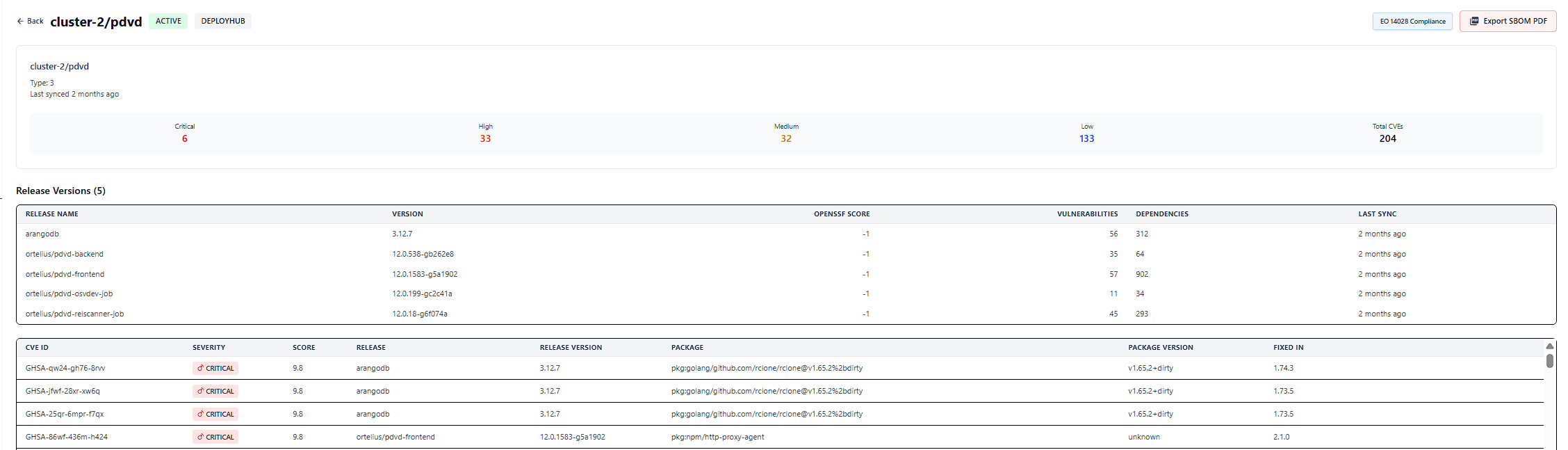
DeployHub maps SBOMs, components, OSV.dev, and deployment endpoints into a live software digital twin so teams can see exactly where a new CVE is running, who owns it, and what must be fixed fast to risk attack.
A vulnerability in production can become a business interruption.
Repository scanners tell you what could be vulnerable. DeployHub tells you what’s actually running in production.
New vulnerabilities can emerge weeks, months, or years after deployment. When that happens, risk can extend beyond the software itself:
Turn SBOMs into active defense assets
Without production visibility, responding to a newly disclosed vulnerability can require manual investigation across applications, teams, cloud accounts, data centers, and vendors.
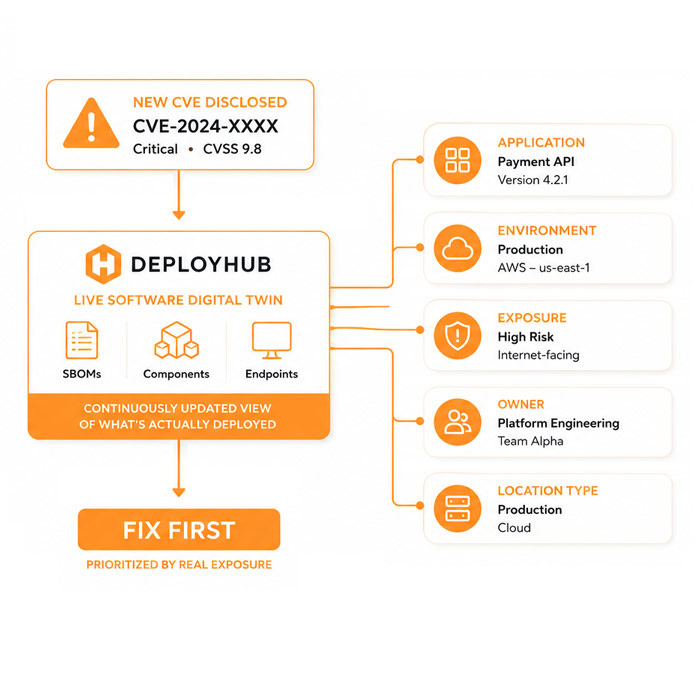
DeployHub uses a deployment digital twin with SBOM and endpoint intelligence to continuously show what’s deployed—helping teams distinguish potential exposure from vulnerabilities affecting live software.
Determine whether the vulnerable component is actually running in a deployed application—not simply present in a codebase, build, or security report. This helps teams quickly distinguish potential exposure from software that is truly in use.

Identify the specific application and software version containing the vulnerable component. This gives teams the context they need to assess the impact and determine the appropriate remediation.
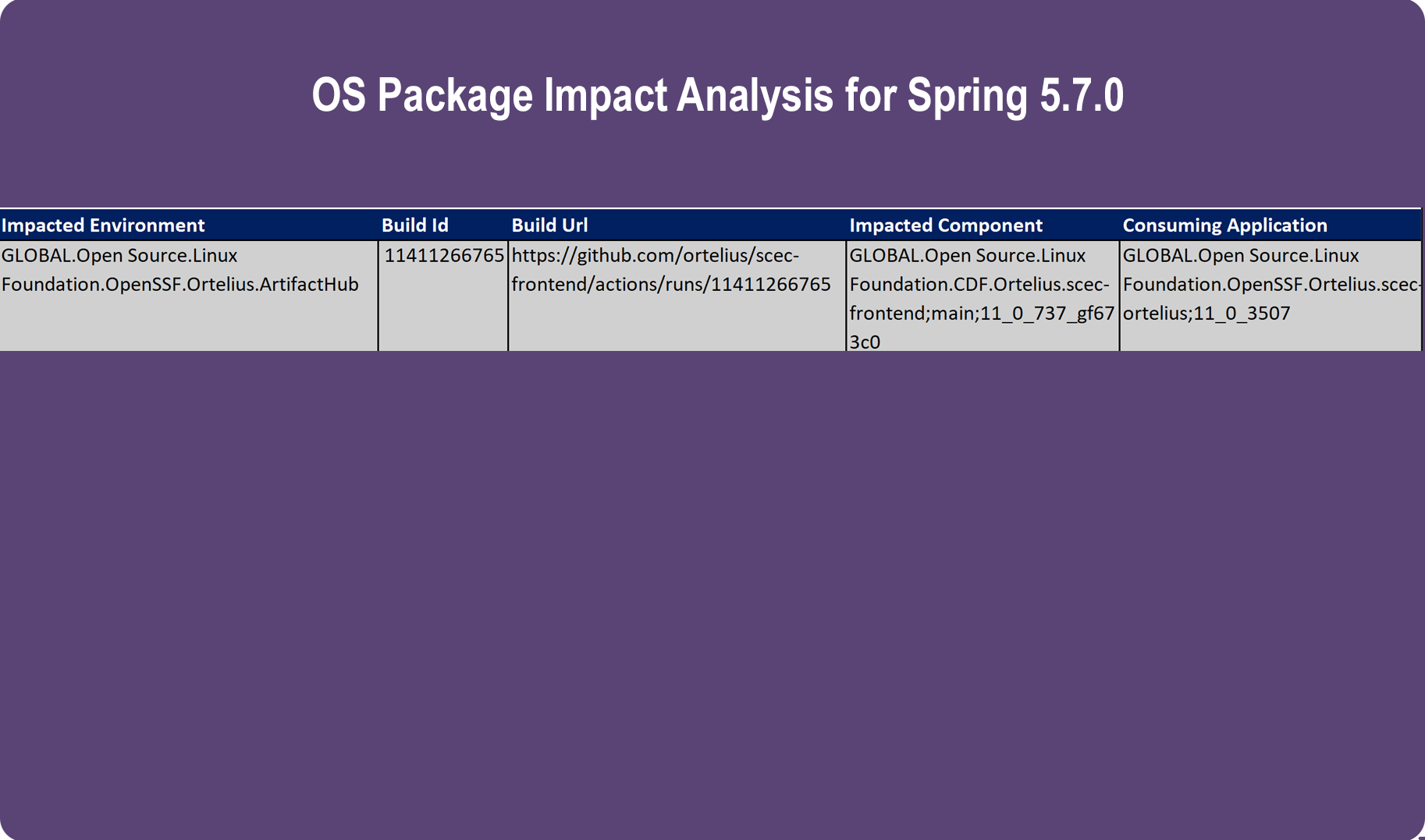
See where affected software is operating across environments, cloud accounts, regions, and distributed infrastructure. Understand the scope of exposure so teams can prioritize the systems with the greatest business and operational risk.
Connect the affected application to the team responsible for it. Instead of searching across teams to determine who needs to act, DeployHub helps route the issue directly to the right owner so remediation can begin faster.
Understand exactly where the vulnerable software is deployed across production, test, edge, and disconnected environments. This helps distinguish live business exposure from lower-risk instances that may not be accessible or actively serving users.
Prioritize remediation based on actual production exposure, business impact, and operational risk—not simply the severity of the CVE. DeployHub helps teams focus first on the vulnerabilities that pose the greatest risk to critical applications and services.
From Vulnerability Detection to Focused Remediation
DeployHub connects vulnerabilities to deployed applications and infrastructure so teams can understand exposure and prioritize remediation.
Detect post-deployment vulnerabilities fast
Pinpoint open-source and third-party risks affecting live environments.
Turn SBOMs into active defense assets
Map software components directly to deployed applications and running endpoints.
Continuously monitor production risk
Use the digital twin to identify newly emerging vulnerabilities without endpoint scanners.
Expose real-world impact
See where vulnerabilities affect deployed applications and infrastructure so teams can focus remediation where it matters most.
See how DeployHub turns live deployment intelligence into faster, more focused vulnerability response.
Fix fast or risk attack. DeployHub defends live systems when new CVEs appear.
Without production visibility, responding to a newly disclosed vulnerability can require manual investigation across applications, teams, cloud accounts, data centers, and vendors.
DeployHub uses a deployment digital twin with SBOM and endpoint intelligence to continuously show what’s deployed—helping teams distinguish potential exposure from vulnerabilities affecting live software.
Our Post-Deployment Vulnerability Detection Platform continuously maps what’s running now, not what was scanned weeks ago, giving teams a live view of open-source exposure across all environments. No agents. No performance drag. Just clear, continuous awareness of where your greatest risks exist, and how to stay ahead of them.
With DeployHub, map the attack surface of each CVE across applications, containers, and environments to expose real risk, not noise. Focus your team’s effort where it counts and defend production systems with precision and confidence.
Go beyond code scans with DeployHub. Use SBOMs to continuously map open-source components to live environments and transform static inventories into real-time intelligence for post-deployment vulnerability detection where it matters most.
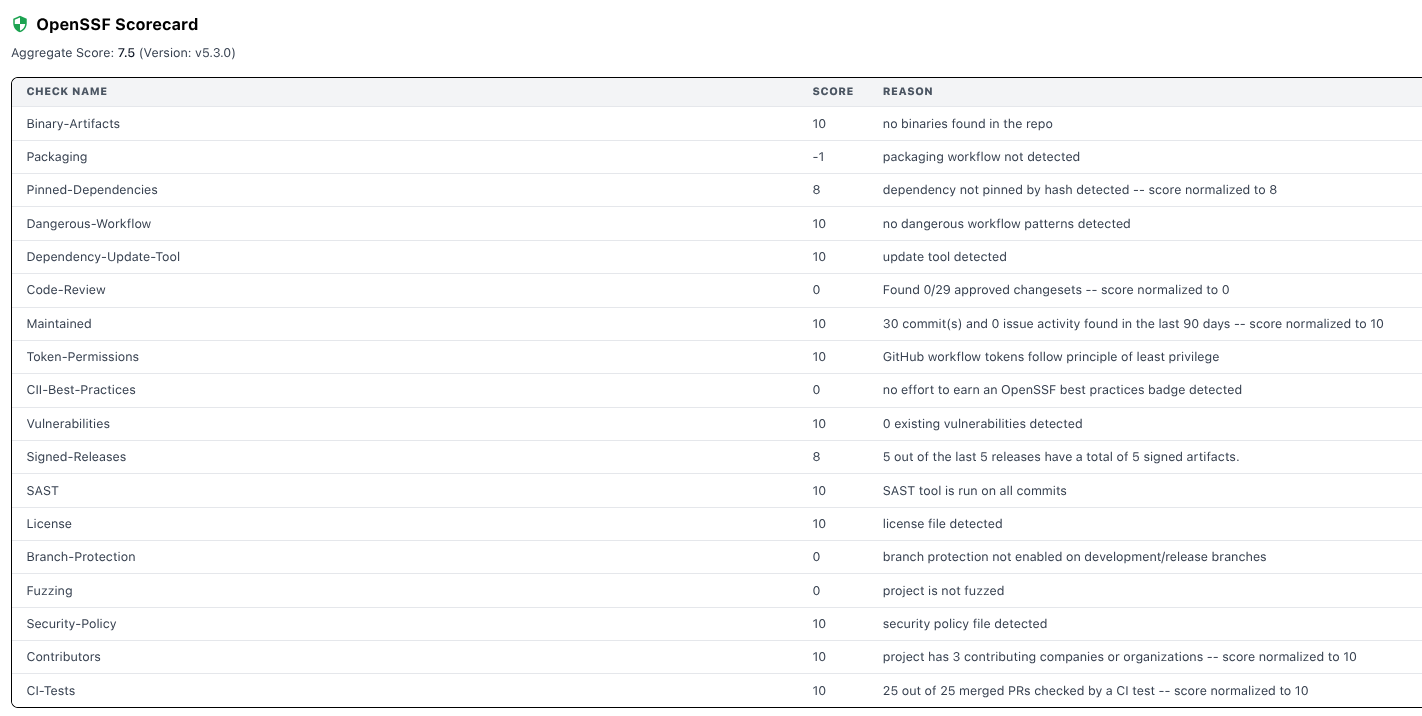
Check the OpenSSF Scorecard for every project you use and make data-driven decisions about what to trust. Use Scorecard insights to prioritize updates, strengthen weak dependencies, and build a supply chain you can defend with confidence.
Use DeployHub’s easy-to-implement command line interface to continuously track post-deployment vulnerabilities.
See whether newly discovered vulnerabilities are affecting live systems—and where they’re running.
DeployHub gives development, security, and platform teams the visibility to understand risk, prioritize vulnerabilities, and respond faster.
DeployHub helps developers focus on what truly matters: the vulnerabilities that actually impact live applications. By showing which open-source components are deployed, where they run, and how critical each vulnerability is, developers can fix problems faster and with less toil. DeployHub brings developers into the post-deployment security discussion and response.
For CISOs, visibility and prioritization are everything. Traditional security tools flood dashboards with thousands of alerts from development scans, but most of those vulnerabilities never make it into production. This overload obscures real threats and wastes valuable response time.
DeployHub delivers post-deployment clarity, showing exactly which vulnerabilities exist in running systems and which applications or endpoints are affected.
DevSecOps and Platform Engineering teams sit at the intersection of speed and security. Their job is to keep delivery flowing while ensuring every release meets security and compliance standards. But traditional vulnerability tools slow the pipeline with noisy, pre-deployment alerts that don’t reflect what’s actually running.
DeployHub changes that by giving these teams real-time, post-deployment intelligence. It connects SBOM data to live systems, revealing exactly which open-source components are deployed, where vulnerabilities exist, and what needs fixing, without rescanning or installing agents.
Give Us One Hour. See What Vulnerabilities Are Running in Production
Most DevSecOps tools stop when code ships, producing hundreds of potential vulnerabilities that may never matter. DeployHub extends protection beyond build-time, giving teams real-time visibility into vulnerabilities that affect production.
Even after release, new CVEs and emerging threats can put production systems at risk. DeployHub keeps vulnerabilities from lingering in production by pinpointing open-source risks impacting live environments in real time.
DeployHub filters out false alarms from pre-deployment scans, providing noise-free prioritization that focuses only on vulnerabilities that actually affect live production environments, allowing teams to remediate faster and with confidence.
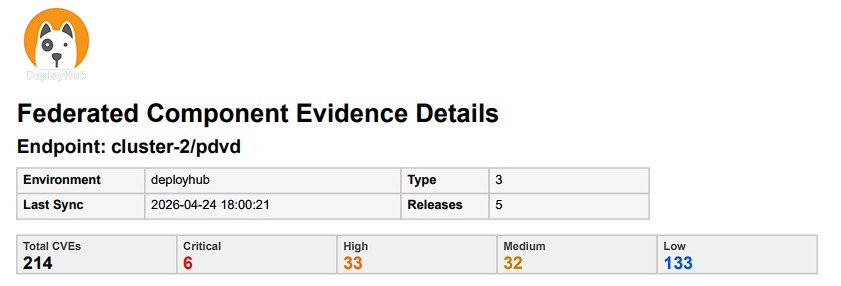
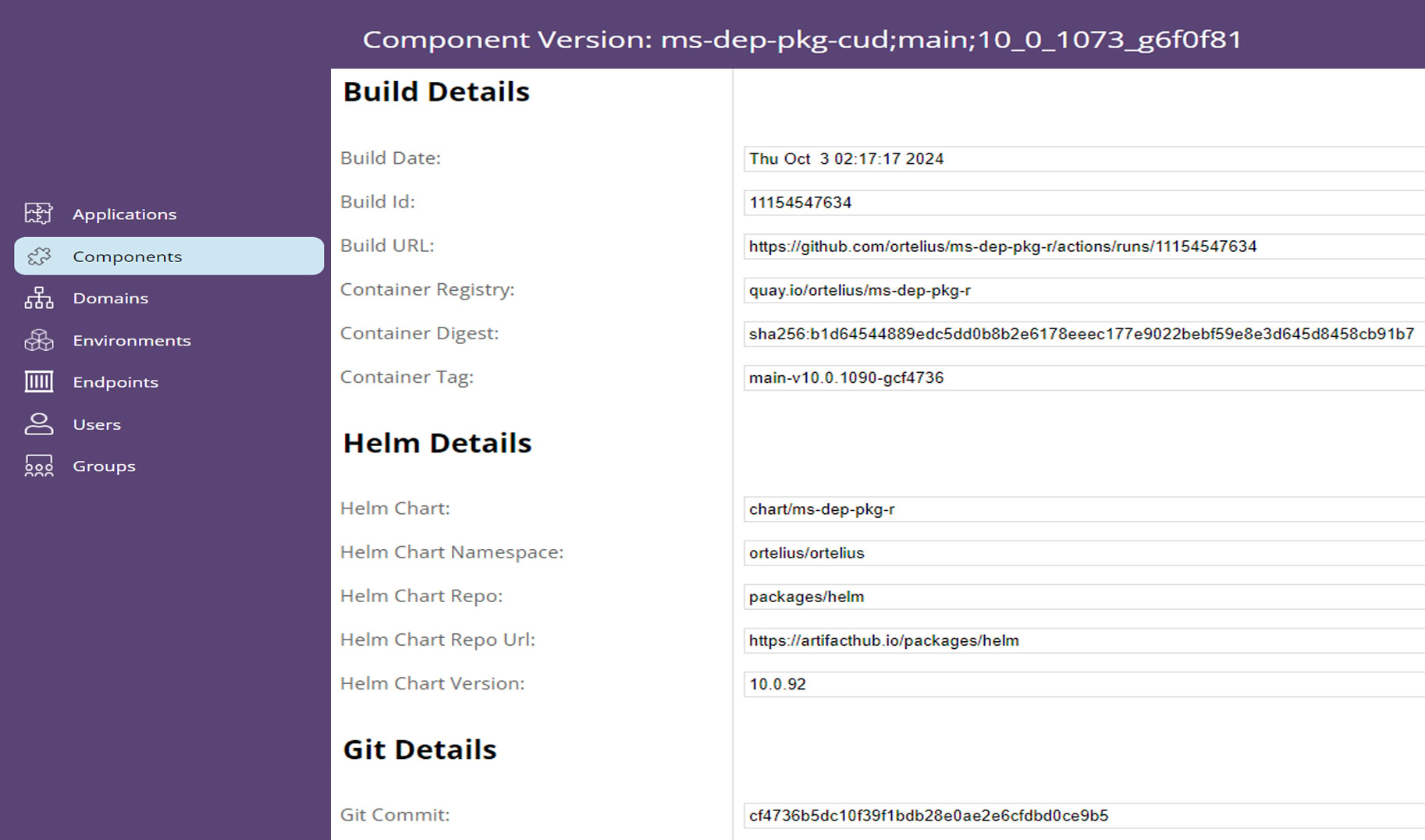
DeployHub detects vulnerabilities in open-source packages, third-party libraries, and other components running in production. It highlights critical CVEs and maps them directly to endpoints and applications where they have real-world impact.
DeployHub continuously maps SBOM components to running endpoints, transforming static inventories into real-time intelligence for post-deployment vulnerability detection. This ensures teams focus on vulnerabilities that truly matter in production.
DeployHub continuously monitors your deployed systems using a digital twin and agentless monitoring, providing up-to-the-minute awareness of vulnerabilities as they appear — no waiting for the next scheduled scan.
No. DeployHub operates without endpoint agents or source code access, using a deployment digital twin and SBOM intelligence to track live components and detect vulnerabilities without impacting performance.
DeployHub continuously maps SBOM components to running endpoints, transforming static inventories into real-time intelligence for post-deployment vulnerability detection. This ensures teams focus on vulnerabilities that truly matter in production.
Yes. DeployHub is fully agentless and uses a digital twin of your deployed systems to continuously scan for vulnerabilities. This means we never touch live workloads, avoiding any performance impact or operational disruption. Teams get real-time insight into vulnerabilities across applications, containers, and environments without introducing risk to production systems.
Yes. When a new critical CVE appears after release, DeployHub shows exactly where your applications are vulnerable and what needs to be fixed, enabling fast, targeted remediation before attackers can exploit it.
Yes. Because of the digital twin, DeployHub can detect vulnerabilities running on edge devices. This allows teams to gain real-time visibility and actionable intelligence across distributed environments without installing agents on the devices themselves.
Take A Tour
Explore Ortelius SaaS and see how post-deployment vulnerability detection helps identify whether newly discovered vulnerabilities are actually affecting your live systems.
See where vulnerable components are running, which applications and environments are affected, and what needs attention first—all through a quick, hands-on tour.
DeployHub is based on Ortelius OS, an open-source project incubating at the Continuous Delivery Foundation.